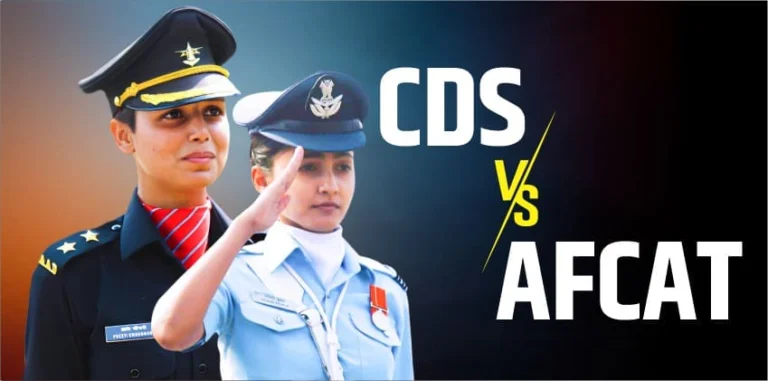
Preparing for AFCAT 2 2026 requires a well-structured strategy, disciplined execution, and expert guidance — elements crucial for success in one of India’s most competitive defence entrance exams. Conducted by the Indian Air Force, the Air Force Common Admission Test (AFCAT) serves as an essential gateway to a prestigious career as a commissioned officer in the Air Force. For aspirants aiming to crack AFCAT 2 2026 at their very first attempt, this comprehensive preparation strategy will keep you focused, confident, and fully exam-ready.
Understanding the AFCAT Exam Pattern
Before diving into preparation, it is critical to understand the detailed structure of the AFCAT exam. This knowledge paves the way to plan your study efficiently, prioritizing sections based on weightage and difficulty.
- Sections in AFCAT Exam:
- General Awareness: Covers current affairs, history, geography, polity, science, defence updates, and static general knowledge.
- Verbal Ability in English: Focuses on language comprehension, grammar, vocabulary, and sentence correction.
- Numerical Ability: Includes arithmetic topics such as percentage, ratio, profit and loss, time and work, speed and distance, and basic mathematics.
- Reasoning and Military Aptitude: Tests logical reasoning, spatial ability, pattern recognition, and military-related aptitude.
- Exam Key Details:
- Total Questions: 100
- Total Marks: 300
- Duration: 2 Hours
- Negative Marking: Yes (1 mark deducted for each wrong answer)
Understanding this layout is essential for aspirants to allocate their preparation time effectively among different sections, focusing on maximizing scoring potential.
6-Month Preparation Strategy for AFCAT 2 2026
Preparing systematically over six months ensures steady progress and mastery. The following phased approach will help aspirants maintain consistency and improve performance continuously.
Phase 1: Concept Building (Months 1–2)
- Focus on learning fundamentals and strengthening concepts.
- Memorize and practice basic math formulas and shortcuts for quick calculations.
- Enhance English grammar and vocabulary with daily practice.
- Make reading newspapers and current affairs a daily habit to stay updated on national and international events.
- Practice basic reasoning topics to build logical thinking skills.
Goal: Develop strong foundational clarity to handle exam questions efficiently.
Phase 2: Practice & Strengthening (Months 3–4)
- Solve topic-wise practice questions to reinforce learning and improve problem-solving speed.
- Begin sectional mock tests to familiarize yourself with exam patterns and timing.
- Maintain a dedicated current affairs notebook summarizing daily and monthly updates.
- Analyze weekly performance to identify and work on weak areas consistently.
Goal: Increase speed, accuracy, and confidence through targeted practice.
Phase 3: Full Mock Test Phase (Month 5)
- Attempt full-length mock tests under timed conditions for realistic exam simulation.
- Conduct a deep analysis of each mock test, focusing on time management and question accuracy.
- Prioritize high-scoring topics while maintaining overall balance across all sections.
Goal: Build exam temperament, consistency, and strong time management skills.
Phase 4: Final Revision & Strategy (Month 6)
- Consolidate all essential formulas, grammar rules, and notes.
- Focus on practising previous year’s AFCAT question papers for exam pattern familiarity.
- Avoid introducing new topics to reduce stress and improve retention.
- Maintain a healthy and balanced routine including physical fitness, adequate sleep, and stress management.
>
Goal: Maximize retention, confidence, and mental readiness for the exam day.
Section-Wise Preparation Tips for AFCAT Success
General Awareness
- Focus on the last 6–8 months of current affairs — including government policies, sports, science & technology, defence exercises, and international events.
- Build static General Knowledge in subjects such as history, geography, polity, and Indian constitution.
- Regularly read defence news focusing on armed forces developments and military technology.
English (Verbal Ability)
- Practice reading comprehension passages daily to sharpen understanding and speed.
- Build vocabulary with daily word lists and synonyms/antonyms exercises.
- Learn error detection, sentence improvement, fill-in-the-blanks, and para jumbles for grammar enhancement.
Numerical Ability
- Focus on core arithmetic topics like percentage, ratio, profit & loss, averages, time & work, speed & distance.
- Daily practice calculation exercises to improve accuracy and reduce time consumption during exams.
- Use shortcuts and formula sheets to solve problems faster.
Reasoning & Military Aptitude
- Practice analogy, classification, and pattern recognition questions regularly.
- Improve spatial reasoning by solving puzzles such as cubes, mirror images, and paper folding.
- Focus on aptitude questions related to military concepts and logical deduction.
Importance of Mock Tests for AFCAT Preparation
Mock tests simulate real examination conditions, a key factor in AFCAT success. They help aspirants to:
- Effectively manage time and pace during the actual exam.
- Identify weak topics and sections needing focused improvement.
- Enhance overall accuracy by reducing guesswork and careless mistakes.
- Build confidence and reduce exam day anxiety.
Experts recommend attempting at least 15–20 full-length mock tests before the AFCAT exam to gain a competitive edge.
Daily Study Plan: Ideal Routine
- 2 hours – Concept learning and strengthening fundamentals.
- 2 hours – Practice questions and sectional tests.
- 1 hour – Current affairs reading and note-making.
- 1 hour – Mock test attempt and detailed analysis.
Consistency and quality of study hours matter far more than merely long study durations. Maintain a balanced approach to avoid burnout.
Expert Tips to Crack AFCAT 2 2026
- Start your preparation early to give yourself ample time for concept clarity and revision.
- Follow a fixed timetable that balances all four sections strategically.
- Revise regularly to ensure concepts and formulas stay fresh.
- Focus on accuracy to minimize negative marking rather than rushing through questions.
- Maintain physical fitness and mental wellbeing as they play a crucial role during preparation and the exam.
Integrating AFCAT Preparation with NDA Coaching and Schooling
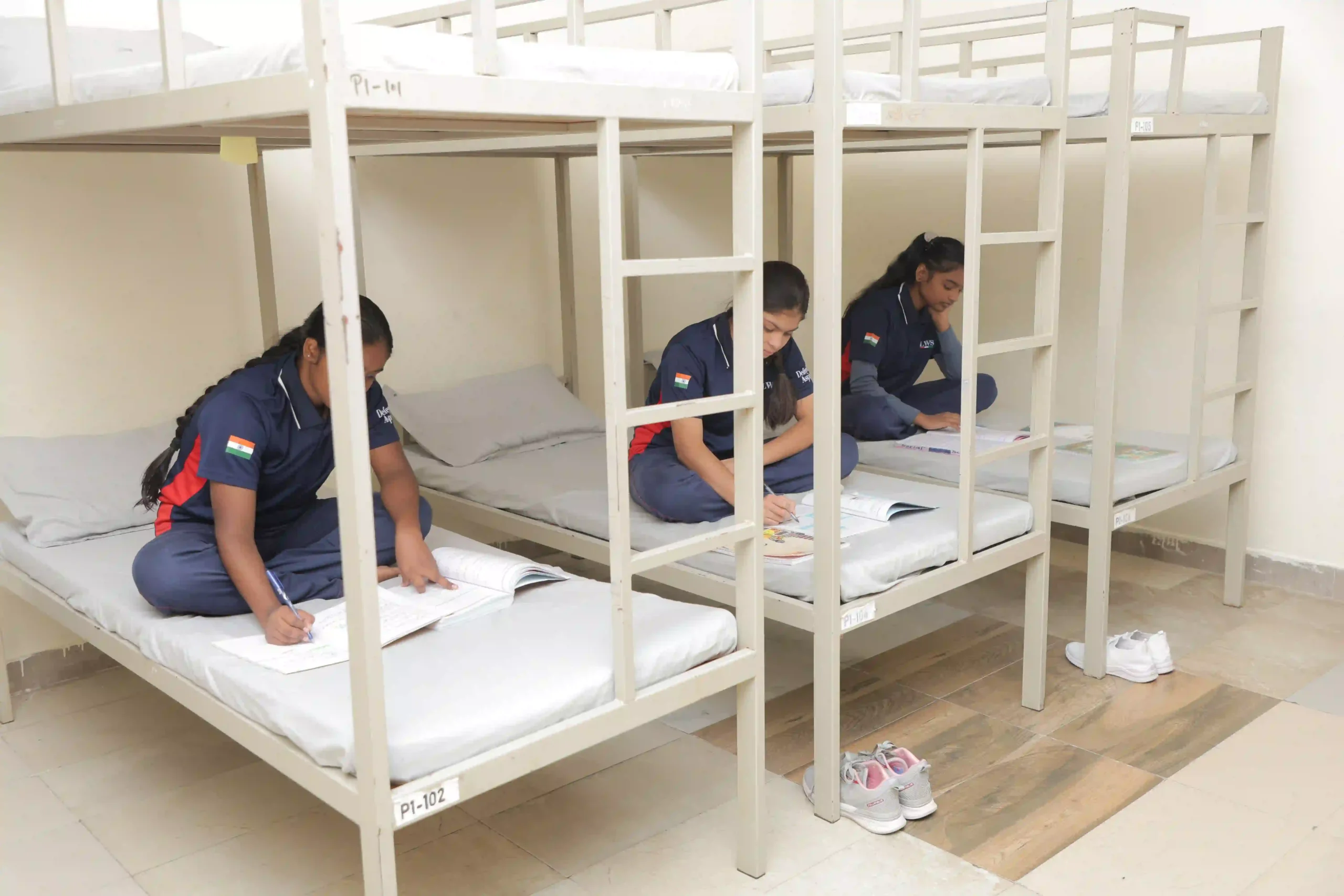
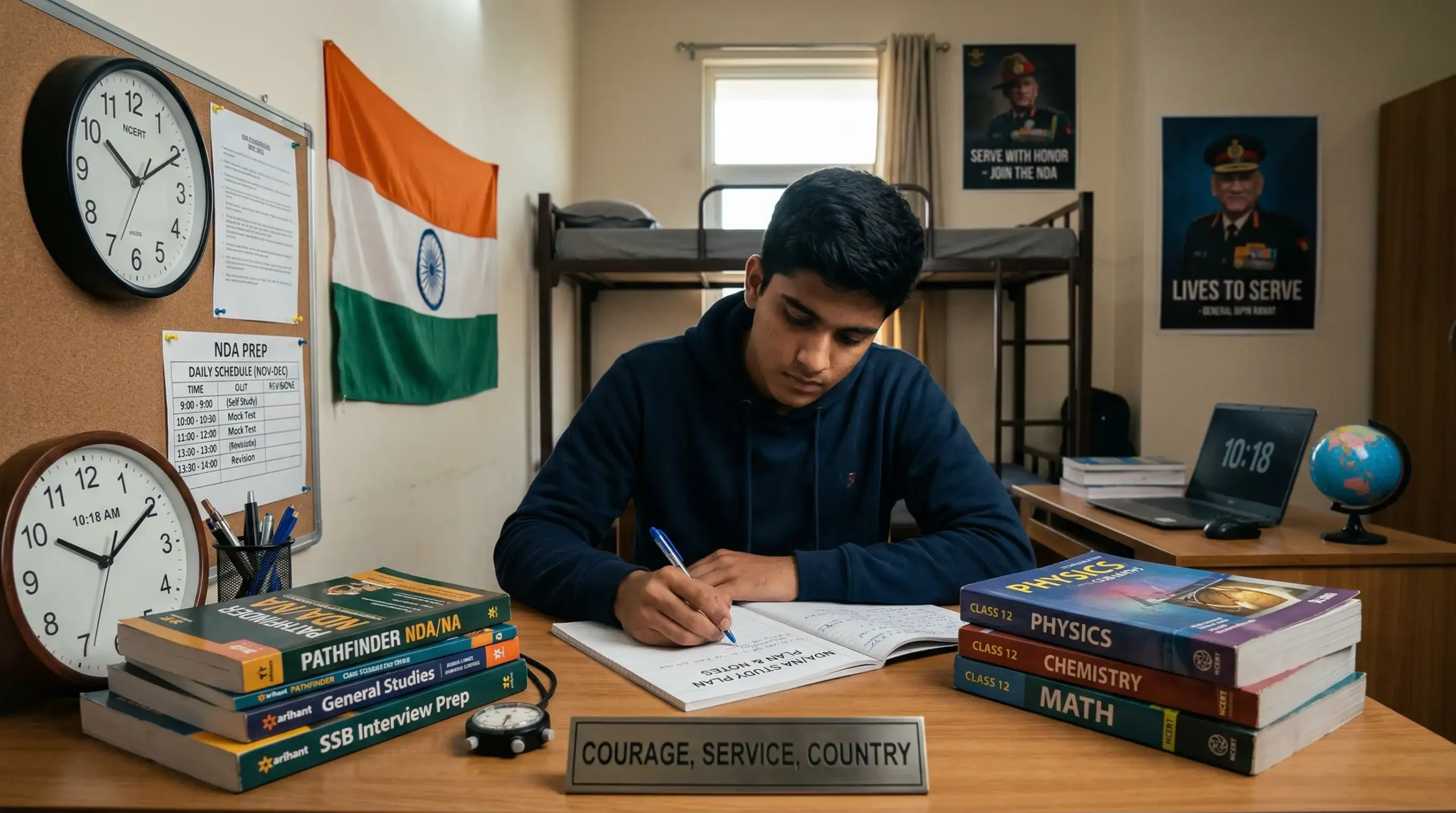
Success in defence exams such as AFCAT and NDA requires a holistic approach starting from school years. Learn with Sumit (LWS) uniquely offers NDA Coaching with Schooling, allowing students to balance academic excellence alongside disciplined defence exam preparation.
Starting preparation early, possibly from Class 9th or 10th, through foundation courses significantly boosts a candidate’s chances of cracking AFCAT and NDA by building a strong base in academics, physical fitness, and personality development.
LWS’s Integrated NDA Coaching provides comprehensive training in:
- NDA and AFCAT Written Exam preparation with subject-focused modules.
- SSB Interview preparation emphasizing leadership, communication skills, and confidence.
- Physical fitness routines tailored for defence aspirants.
- Time management strategies to excel in both school academics and competitive exam prep.
This integrated model helps aspirants efficiently prepare for AFCAT 2 2026 while ensuring academic success and overall personality growth, enabling a smooth career pathway toward the Indian Armed Forces.
FAQ: AFCAT 2 2026 Preparation Strategy
- Q1: What is the eligibility criteria for AFCAT 2 2026?
Candidates must have a bachelor’s degree with minimum 60% marks or be in the final year of graduation. Age limits vary by branch but generally range from 20 to 24 years. - Q2: How important is physical fitness for AFCAT selection?
Physical fitness is crucial as candidates clearing the written exam must pass the Air Force medical standards and physical fitness tests during SSB interviews. - Q3: Can I prepare for AFCAT alongside NDA coaching?
Yes, integrated programs like Learn with Sumit (LWS) help aspirants build skills for both NDA and AFCAT simultaneously, enhancing overall defence career prospects. - Q4: How should I manage time for current affairs preparation?
Dedicate at least one hour daily to reading newspapers, defence magazines, and current affairs portals. Maintain a notebook for quick revisions closer to the exam.
Conclusion
AFCAT 2 2026 is not merely an exam — it marks the beginning of a proud journey serving the nation as an Air Force commissioned officer. Achieving success requires a strategic preparation plan, disciplined effort, and holistic development.
Learn with Sumit (LWS) offers exclusive NDA Foundation Courses and Integrated NDA Coaching programs that not only prepare students academically but also nurture physical fitness, personality development, leadership qualities, and defence career planning — all starting from the school level.
Whether you are a student of Class 9th, 10th, 11th, or 12th, or preparing after graduation for AFCAT, connecting with LWS ensures you receive expert guidance to crack AFCAT 2 2026 and lay a strong foundation for your defence career.
Stay focused, maintain consistency, and let the sky be your ultimate destination.
Take the first step today — connect with Learn with Sumit (LWS) for comprehensive AFCAT and NDA preparation with schooling support!